Science + Autism Reading

When C first got his lung disease diagnosis, and then his autism diagnosis, I scoured the web looking for reliable sources of information and insight. Below are a few of my favorite science + autism websites, blogs and tweeps. What are yours?

  • Emily Willingham is a scientist and writer who has a son on the spectrum. She explores — and often rips apart — the latest in autism pseudoscience on her blog, her Forbes column, and on Twitter.
  • Cracking the Enigma, a blog by research fellow Dr. Jon Brock, focuses on "cognitive and neural mechanisms involved in developmental disorders including autism, Williams syndrome, and Down syndrome." He also has a Twitter feed.
  • Left Brain / Right Brain is an excellent autism-focused science website.
  • Autism News Beat is a blog by the father of a 16-year-old boy with autism. The writer's goal is to help journalists write about science, and autism in particular.
  • The Autism Science Foundation is a non-profit organization dedicated to helping researchers and scientists fund and publicize their work. It's a great place to keep up with the latest in science-based autism research.
  • And, on a lighter and non-science-related note, my favorite Dad blogger.
We Want to Tell You

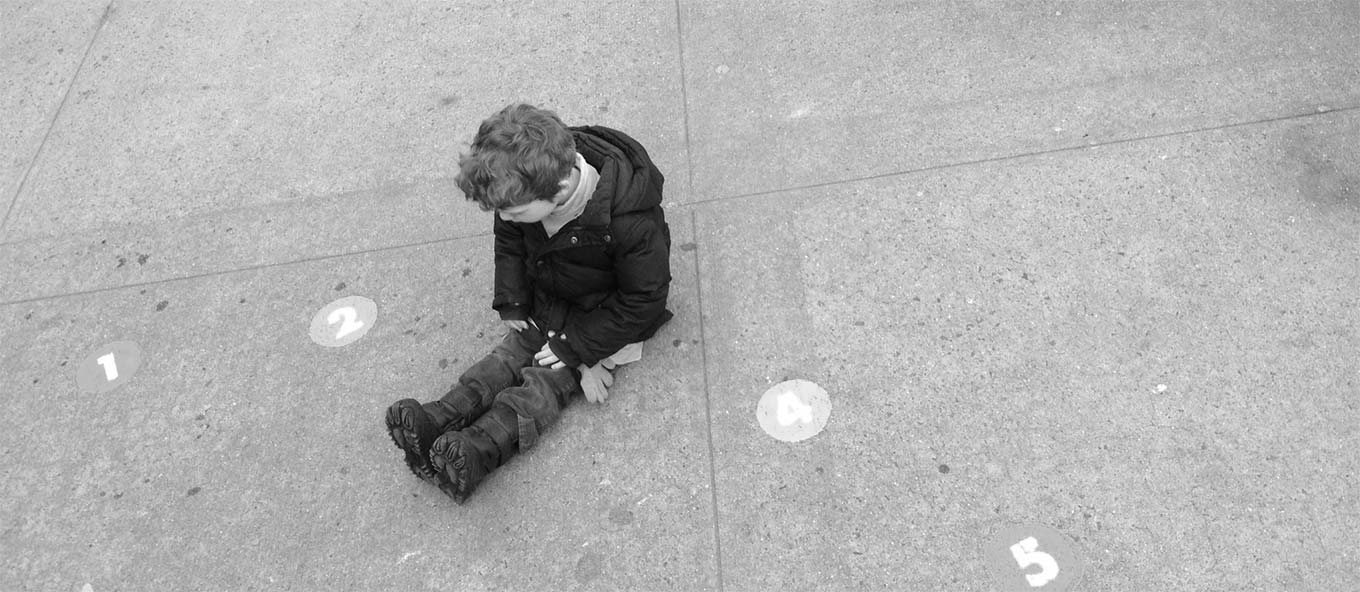
C alone

We want to tell you about all of C's achievements.

We want to tell you how well he's doing. We want to tell you that he's reading well beyond his years, and that he's developed a deep affection for his twin, frequently hugging him and saying, "I love you, brother."

We want to tell you that he says, "It's 7:70!" when it's ten minutes past eight! We want to tell you that he sat still and ate a cupcake, and that he finally peed in the potty. We want to tell you all of these good things and none of the bad things.

But when we do, you say, "See! He's going to be fine." You tell us, "He's probably going to be a rich scientist!" You implore us "not to worry so much!" You say, "I told you so!"

And in doing so, you discount all the things that we're still struggling with. You ignore all the challenges. You diminish all the effort we've expended just trying to overcome these minor obstacles. And you're ignoring the fact that none of these accomplishments erases his autism.

Most of all, you're not really talking about our son anymore. You're projecting your own desires, your own insecurities, your own wish for everything to be okay after all.

And you're probably doing it because you think it's what we want to hear, because you think it's supportive. In fact, it's not.

Here's the deal: C is always going to have autism, and we're okay with that now. It will shape everything about his life, and everything about our lives, forever. It's not going away, and neither are we.

Our acceptance of C's autism, and all the good and bad that come with it, doesn't make us pessimists — it makes us realists. Further, accepting C's autism was the first step in getting him the help he needs. If we downplay the challenges he faces, then we won't fight and work as hard to help him overcome them.

Somewhat ironically, denial would have been the easier path for us, but it's not the path we chose. So as we go on this journey, we ask you to come along with us. We're not asking for sympathy or pity. We don't want you to stop being optimistic.

We're just asking for you to accept things as they are.

Four Things

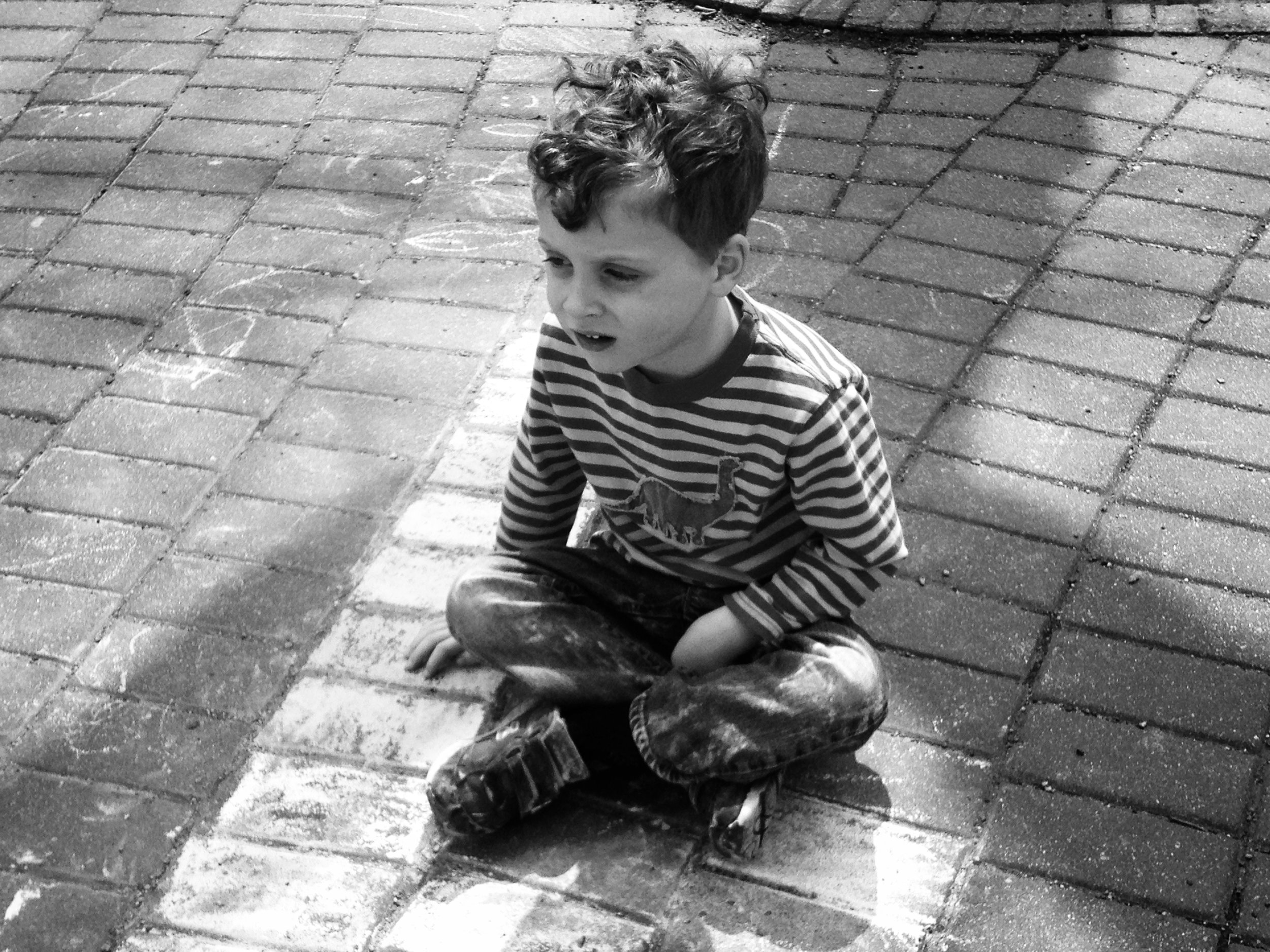
Chalk boy From my wife, in honor of Autism Awareness Month.
Four things parenting a child with autism has taught me:

  1. Expectations bring disappointment (a restful weekend away is anything but, yet suddenly wandering together silently through aisles at the public library, bliss).
  2. You have more patience than you think you do.
  3. Compassion for oneself and others brings instant happiness.
  4. The boy sitting alone in chalk on the playground will astound you.