
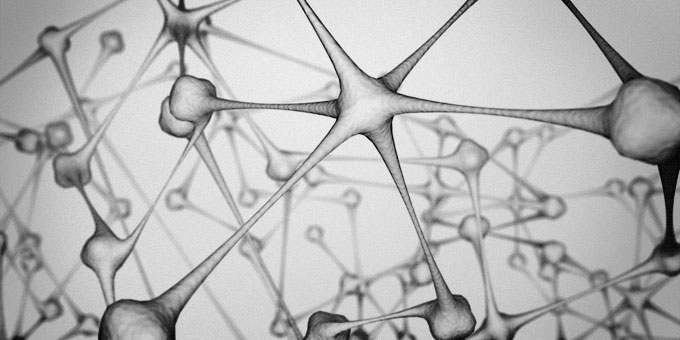
 A lot is happening in autism science at the moment, especially in the areas of etiology and diagnosis. Here are some interesting articles I've come across in the past few months:
- EEG brain trace 'can detect autism' / BBC News Health / June 25, 2012
- Fast, Accurate Autism Diagnosis Produced By Web-Based Tool / Medical News Today / April 12, 2012
- Scientists Link Gene Mutation to Autism Risk / NY Times / April 4, 2012
- Gene Expression Abnormalities in Autism Identified / Science Daily / March 22, 2012
- Brain Imaging Could Detect Autism Risk in Infants as Young as 6 Months / Time Healthland/ February 17, 2012
- Prefrontal Cortex Epigenetic Signatures In Brain Tissue Of People With Autism / Medical News Today / November 7, 2011
- Study: Autistic brains are heavier, with more neurons / Boston Globe / November 10, 2011
- Study: Autistic Children Have More Brain Cells / Times Healthland / November 9, 2011
- Autism Linked With Excess of Neurons in Prefrontal Cortex / ScienceDaily / November 8, 2011
- A Five-Minute Brain Scan Tracks Kids’ Development and May Spot Disorders / Time Healthland / September 12, 2010
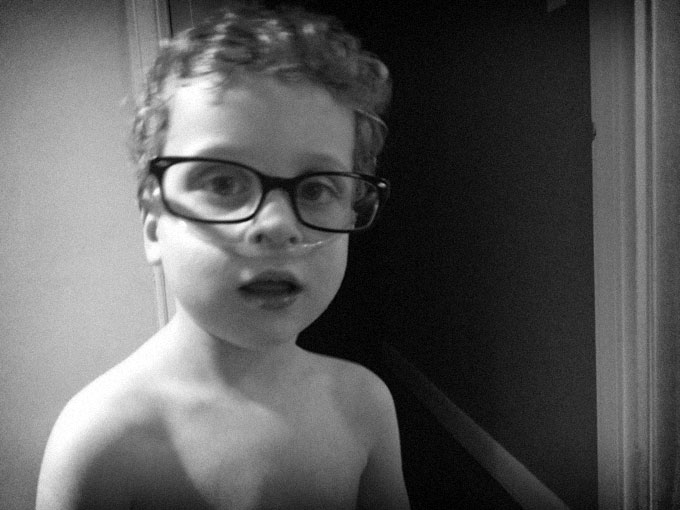 Tonight during bath time I heard C saying, "I am Daddy!" When I investigated, I found him sitting at my desk wearing my glasses, pretending to type on my computer.
  This Time Health article asks:
 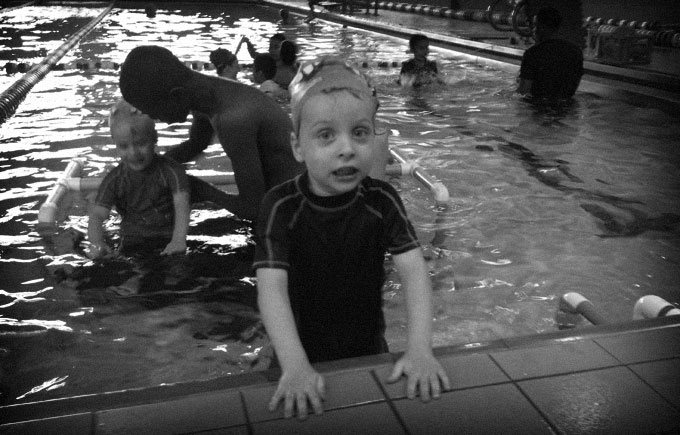 If you ever feel down about humanity, visit C's special needs swim class. There you will meet a few young people who do their jobs with great skill, respect, kindness, and patience. In fact, it will become clear to you in just a few moments that they love what they do, and that they love the kids with whom they work.
Quisque iaculis facilisis lacinia. Mauris euismod pellentesque tellus sit amet mollis.