
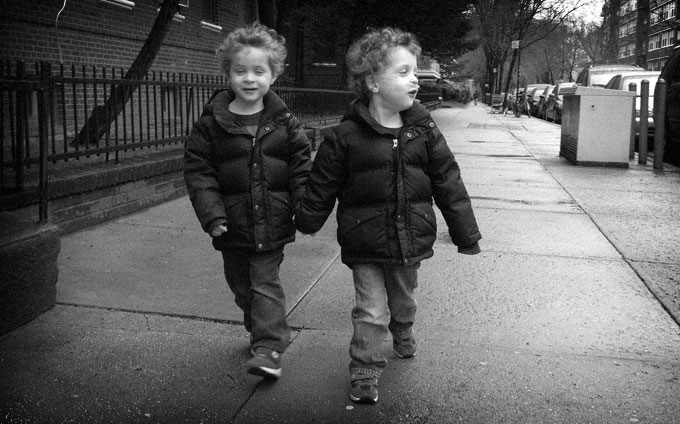
 C is untethered from his oxygen for a stroll in the brisk weather. What is a little unusual here is that C was leading the way; usually it's the other way around.
Jump
When C was first diagnosed with ASD, a friend who has faced the same challenge told me that I would come to appreciate the littlest accomplishments just as though they were gigantic.
Yesterday, C was jumping on a trampoline, feet flying above the elastic surface. To most parents of a three-year-old, this would be a pleasant experience, but to me it was a victory worthy of celebration.
You see, C couldn't jump. Not at all. He would crouch and push, but he could never get air; this is not uncommon in ASD kids. No matter how he tried, how much we cheered him on, he just couldn't do it.
But with time and therapy and lots of practice, C now jumps, and he counts each jump, up to 30. Then he starts over again. He is joyful.
My friend was right: the small victories have come to mean just as much as the big ones.
Good Times
C has been a bit of a ping pong ball lately, one day doing quite well, the next seeming hard to reach and engaging in a lot of typical ASD-behaviors. Nonetheless, I wanted to take a moment to post some photos that make me smile, images that show promise.


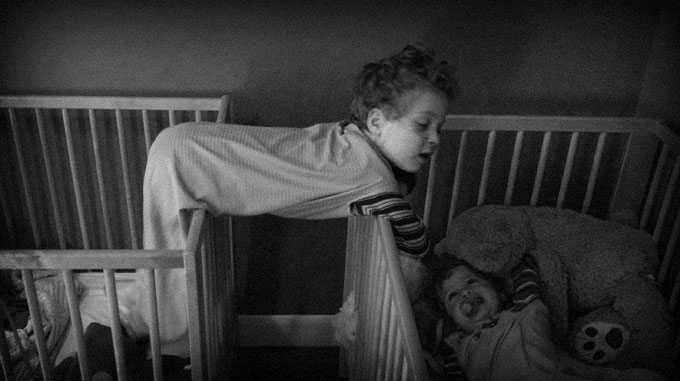
Light It Up Blue
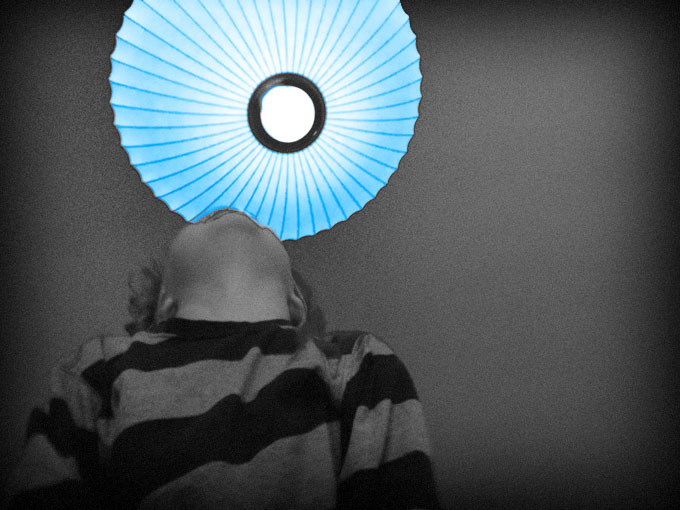 In honor of World Autism Awareness Day, and in order to help shed light on autism, people everywhere are being asked to turn on a blue light today. We did.
Dear France: It's Neurological
This morning a friend sent me a story from the BBC ; to say that I am shocked and appalled would be putting it mildly. In short, France still views — and therefore treats — autism as a psychological disorder, rather than a neurological one.
The French system relies on Freudian psychoanalysis and psychotherapy, and rejects the much more widely-adopted — and effective — ABA therapy. The result, as one might expect, is that French children do far more poorly than children elsewhere who live in countries where ABA therapy is the primary basis of the treatment regimen.
"In the UK there are 17 times more university students with autism than in France. It is unacceptable." — Daniel Fasquelle, Member of French Parliament
This reliance on psychotherapy rather than behavior therapy points to an underlying perception that autism is some form of character defect on the part of parents and child alike. It means treating the personality, rather than modifying the behaviors that so dramatically affect the lives of those with autism.
At present, there are no therapies to treat the neurological manifestations of autism, though I do believe those will come in time. Until then, ABA and a few other accepted, proven therapies (e.g., Greenspan's Floortime) represent the best chance for children with autism to lead better lives. It is devastating to think that in a modern country like France, ASD children would not be able to get the help they need because of such a fundamental misperception.
Quisque iaculis facilisis lacinia. Mauris euismod pellentesque tellus sit amet mollis.